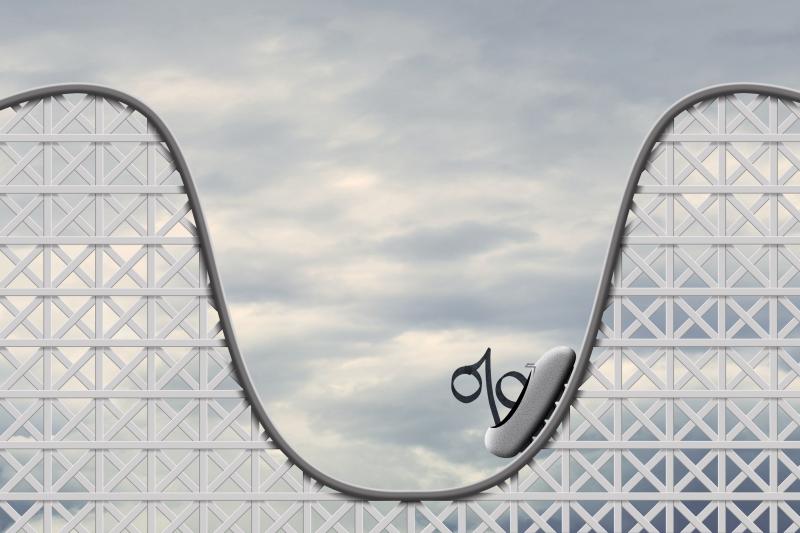
Do hedge funds always supply liquidity to markets? Or do they also drink it up?

Jun 29th, 2010 | Filed under: Academic Research, Hedge Fund Regulation, Today's Post | By: Alpha Male
  • LinkedIn
  • Facebook
  • Google Bookmarks
  • del.icio.us
  • Digg
  • Reddit
  • NewsVine
  • Propeller
  • Yahoo! Buzz

High frequency trading has been raining a lot of eyebrows recently – especially since the Flash Crash.  Were they responsible for the market nose dive (either directly, or by virtue of their sudden withdrawal from the market) or were they simply at the scene of the crime?  Were quantitative hedge funds – cousins on the family tree of market participants -  also involved?  In a comprehensive piece in Institutional Investor last week (“Inside the Machine: A Journey into the World of High-Frequency Trading“), Executive Editor Michael Peltz tells a tale of secrecy, massive trading volumes, and time measured in microseconds.

One of the central questions in Peltz’ article (and in a recent book by the Wall Street Journal’s Scott Patterson called “The Quants: How a New Breed of Math Whizzed Conquered Wall Street and nearly Destroyed It“) is whether quant hedge funds are just market makers like the High Velocity relatives.  High velocity trading is all about market making.  And Most hedge funds hate to be called market makers.  As Peltz writes:

More…


To continue reading this article please login (at the right) or click here to learn more about accessing our archives.

Related Posts

  1. Market neutral funds found to be (relatively) immune when liquidity dries up
  2. Study finds many hedge funds simply hold back liquidity to power returns
  3. Investing in hedge funds in emerging markets: the “prudent approach”
  4. Cayman Islands: Liquidity as far as the eye can see (except in some hedge funds)
  5. Do funds of funds set themselves up for a “liquidity mismatch”?

2 comments
Leave a comment »

  1. [...] – Hedge funds and liquidity. [...]

  2. And what exactly is their rationale for assuming mean-reversion is evidence of relatively less liquidity?

Leave Comment